Selling a split-level or Cape-style home in Passaic County? With the right staging, you can turn cozy rooms, short stair runs, and dormer nooks into features buyers love. Many local homes were built mid-century, so smart updates and clear room purpose matter. In this guide, you’ll learn high-impact tactics, budgets and timelines, and local must-knows so you can list with confidence. Let’s dive in.
Why staging matters in Passaic County
Staging helps buyers see how older layouts live today. The National Association of Realtors reports many agents see a 1–10 percent increase in offer price when a home is staged, and a faster sale is common. NAR’s 2025 profile also ranks the living room, primary bedroom, and kitchen as the top priority rooms to stage.
Online presentation drives showings. Quality photos and a clear layout story boost engagement and reduce confusion, especially in split-levels. Use 20-plus well-composed images and consider adding a simple floor plan to your listing, a best practice supported by industry photo guidance.
What to stage first
Focus on the rooms that most influence offers.
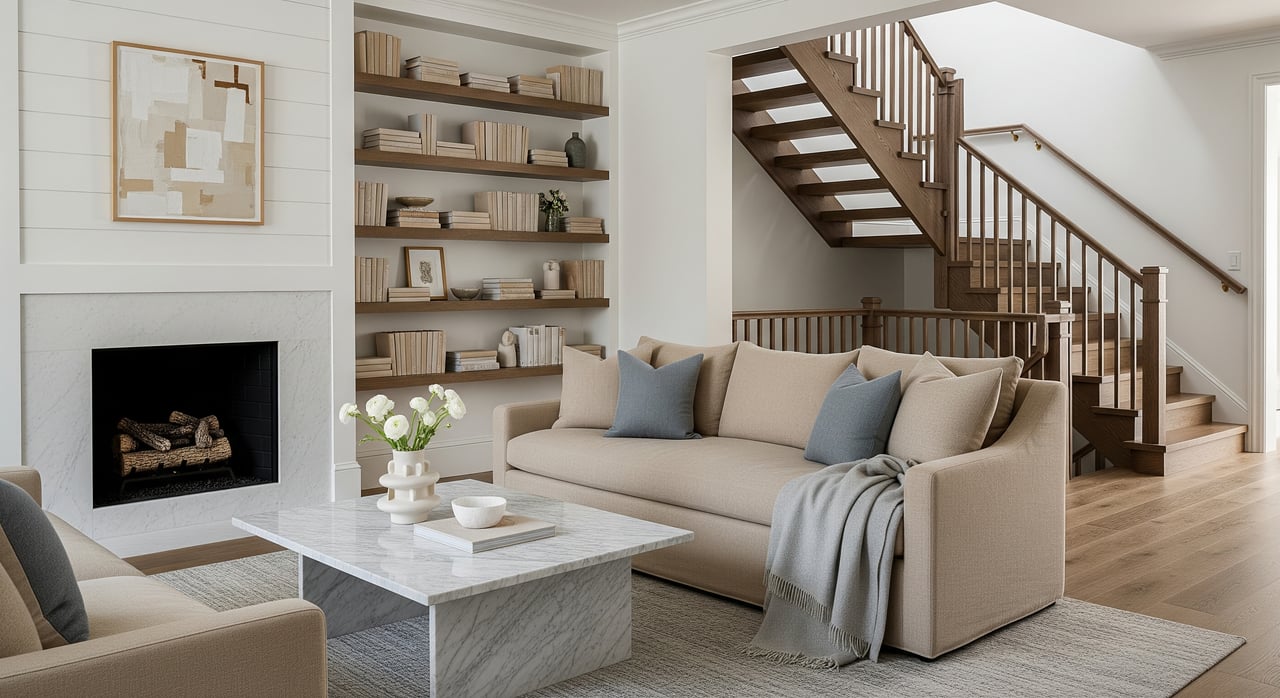
- Living room: Remove visual clutter, use scaled seating, and add layered lighting to brighten mid-century spaces.
- Primary bedroom: Keep bedding light and neutral, clear surfaces, and add simple artwork for calm.
- Kitchen: Clear counters, edit appliances, and add one or two fresh accents.
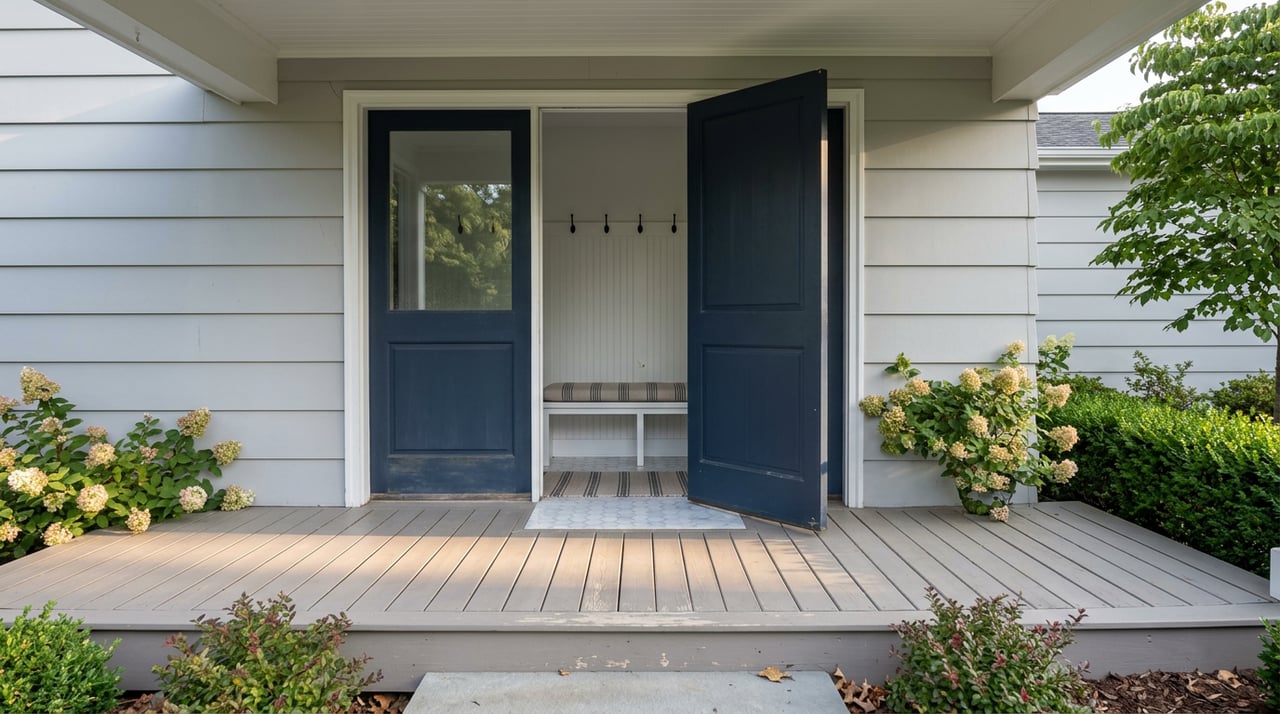
- Outdoor entry: Refresh the door and hardware, add planters, and create a small seating vignette to boost curb appeal.
Use these universal rules of thumb before any style-specific work: declutter and depersonalize, make minor repairs, use a light neutral palette, layer lighting, and define each room’s purpose. These are proven, high-impact steps highlighted in staging best practices.
Split-level staging that sells
Entry and landings
Clear shoes and coats so half-flights feel airy. Add a slim console and a mirror to bounce light. A neutral stair runner and freshened trim set the tone for the rest of the tour. See more foundational tips in these expert staging basics.
Sunken living room
Raise perceived height with tall curtain panels hung near the ceiling. Keep furniture low-profile and avoid blocking sightlines to adjacent levels. Use a single area rug to define seating without crowding.
Kitchen and dining
Edit counters and remove duplicate stools or chairs so pathways feel wider. If the kitchen is compact, add bright task lighting and one simple, fresh accent like a bowl of fruit.
Lower level and garage access
Stage the lower level as a true bonus space, not storage. A small sectional with a media focal point plus a compact desk creates a flexible work-play area. Keep the garage entry clean to show daily convenience.
Bedrooms and baths
Use light bedding and vertical art to add height in smaller bedrooms. Keep bathrooms spotless with fresh towels and minimal decor. These simple changes make older finishes feel current.
Photo tips for split-levels
Include a photo that shows how the levels relate, and add a simple floor plan to clarify flow for online buyers. Aim for 22–27 strong images, a range supported by listing photo best practices.
Cape home staging playbook
Living room and flow
Choose light wall colors and a scaled seating plan that keeps sightlines open. A single statement rug and a few curated accessories create warmth without clutter. For additional style pointers, see these Cape-friendly staging ideas.
Dormer bedrooms
Use low headboards and smaller dressers to fit under slopes. Add vertical mirrors on straight walls and bright bedside lighting to reduce shadows. Consider staging one dormer as a tidy home office to highlight flexibility.
Small kitchen solutions
Clear all counters, use open shelving sparingly with a few neat pieces, and keep decor simple. If space allows, a compact bistro set shows multi-use potential. Practical tips like these appear in kitchen staging guides.
Exterior charm
Refresh the front door, tidy plantings, and add a classic porch chair or two. Capes shine with clean, simple curb appeal that reads well in photos.
Palette and styling
Lean into a light, cottage-adjacent palette with soft neutrals and warm whites. Layer texture with linen throws or woven baskets, but avoid heavy themes. The goal is cozy plus move-in ready.
Budget and ROI in Passaic County
You can stage well at multiple price points.
- DIY refresh: $0–$800 for paint and supplies, focused on decluttering, touch-ups, and rearranging. See cost outlines similar to these in national staging guidance.
- Targeted occupied staging: $500–$2,500 for a consultant, accessories, and selective updates.
- Full vacant staging with rentals: $2,500–$6,000+ depending on size, inventory, and contract length. Local consultants often bill by the hour, which aligns with regional pricing signals.
What to expect: many staged homes sell faster and can attract higher offers, but results vary by town, price point, and execution. NAR’s 2025 profile shows many agents reported a 1–10 percent uplift, and case studies from the Real Estate Staging Association highlight strong returns in selected projects. Review the RESA ROI summary and request local case examples. Always get 2–3 itemized proposals and compare occupied vs vacant plans, delivery windows, and extension fees. A quick market check like this local pricing overview can help you calibrate quotes.
Timeline and prep checklist
Most successful staging plans take 2–6 weeks before listing. Vacant projects with furniture rental often require 7–14 days for planning and delivery. See typical scheduling patterns in this timeline overview.
- Week 1: Declutter, donate, and pack non-essentials. Schedule paint and small repairs.
- Week 2: Paint, light fixture swaps, and deep clean.
- Week 3: Stager walk-through, furniture placement, and accessories.
- Week 4: Final styling, pro photography, and floor plan.
Local must-knows and compliance
If your home was built before 1978, you must follow federal lead-based paint rules. Provide the EPA pamphlet, disclose known information, and allow buyers a 10-day opportunity to test. Learn the basics in the EPA lead disclosure overview.
Parts of Passaic County fall within mapped floodplains. Check your address in FEMA’s Flood Map Service Center and disclose any known flood history. If you have mitigation upgrades or an elevation certificate, mention them in the listing. Start with the FEMA map tool.
Older homes often prompt close inspection of roofs, HVAC, electrical panels, and sewer or ejector systems. Staging should highlight care, not hide issues. Consider a pre-listing inspection or provide a recent repairs list, as recommended in staging and prep best practices.
Photography and marketing tips
- Use strong natural light and add task lamps in darker lower levels.
- Capture angles that explain split-level flow and dormer headroom in Capes.
- Include 20-plus crisp images and, if possible, a simple floor plan to reduce questions.
- Virtual staging can supplement vacant rooms on a budget, but real staging creates the strongest in-person impression.
Ready to wow buyers?
If you want a clear, step-by-step plan tailored to your home, we can help you prioritize updates, staging, photos, and launch timing. Reach out to The Meena Patel Group for a concierge listing plan calibrated to Passaic County buyers.
FAQs
What rooms should I stage first in a Passaic County split-level?
- Start with the living room, primary bedroom, and kitchen, which NAR identifies as highest impact, then address the entry and lower level to clarify flow.
How much does staging cost for a typical Cape in Passaic County?
- Budget anywhere from a few hundred dollars for DIY to $2,500 for targeted occupied staging and $2,500–$6,000+ for full vacant staging with rentals, based on national and regional guides.
How do I make a small Cape kitchen feel bigger when staging?
- Clear all counters, use bright task lighting, limit decor to one or two pieces, and add a compact bistro set if space allows to show daily usability.
How can I photograph a split-level so buyers understand the layout?
- Include a photo that shows the relationship of levels and add a simple floor plan; aim for 20-plus high-quality images to tell a complete story.
Do I need to disclose lead paint or flood history when selling in Passaic County?
- Yes, pre-1978 homes require lead-based paint disclosures, and known flood history should be disclosed; check FEMA maps for your address and consult your agent or attorney.
Can virtual staging replace real staging for my listing?
- Virtual staging is useful for vacant rooms online, but real staging creates the emotional connection in person that helps drive stronger offers.
Ready to buy or sell in Bergen County NJ?
Meena Patel is a Bergen County NJ real estate agent and founder of The Meena Patel Group, a boutique real estate team serving Bergen and Essex County. The Meena Patel Group ranks in the Top 1% of agents nationwide and holds the Circle of Excellence Platinum Award every year. We serve clients in English, Hindi, Gujarati, Punjabi, Portuguese, and Spanish.
Your next move starts with a conversation. We're here when you're ready.
The Meena Patel Group
(201) 677-8843 | [email protected]