Wondering where Bergen County housing is headed next? You are not alone. Buyers are recalculating budgets as mortgage rates shift, and sellers want to know how pricing and timing will play out across different towns. In this guide, you will learn the key forces shaping the market, how submarkets differ, and the specific indicators worth tracking so you can move with confidence. Let’s dive in.
Where the market stands
Bergen County sits at the edge of the New York City metro with a mix of classic suburban towns and denser, transit-oriented hubs. Since 2020, low inventory and strong demand have supported prices in many well-located areas. When mortgage rates rose in 2022 and stayed elevated into 2023 and early 2024, buyer activity cooled in some segments, but tight supply continued to support pricing in high-demand suburbs. Conditions vary by town and price point, so your experience depends on the submarket you target.
What is driving Bergen County housing
Mortgage rates and affordability
Higher mortgage rates reduce purchasing power and can quickly change how many buyers can compete for a home. Shifts in the weekly 30-year fixed rate reported by the Freddie Mac Primary Mortgage Market Survey often show up fast in open-house traffic, bidding intensity, and days on market. If rates ease, more buyers re-enter; if they rise, budgets tighten.
Inventory, new construction, and listing behavior
Many Bergen suburbs historically run lean on for-sale inventory, which supports prices even when demand cools. New construction helps, but land, zoning, and approvals make it slow to add supply in established towns. Tracking building permits gives an early read on future inventory, especially for multifamily in transit-accessible boroughs.
Commuting, remote work, and NYC access
Proximity to New York City and transit remains a core advantage. Remote and hybrid work shifted some preferences toward more space and home offices, yet faster commute options still boost demand near major bus, rail, and highway corridors. Homes that offer flexible work areas and outdoor space have wider appeal across the county.
School districts and household preferences
Family buyers often prioritize specific school assignments, which can influence time on market and premiums in certain neighborhoods. Because school preferences are personal, compare options based on your needs and verify district details directly with the municipality or district before making decisions. In general, areas with stable demand drivers tend to be more resilient.
Taxes and total cost of ownership
New Jersey’s property taxes are among the highest in the country, and carrying costs matter as much as price. Smart buyers model the full monthly payment, including taxes, insurance, and potential HOA fees. Savvy sellers are ready to provide clear context on taxes, assessments, and any exemptions to help buyers see the full picture.
Rentals and investor activity
Rental demand rose across many New Jersey locations after pandemic shifts, and that can influence condo and small-multifamily interest. When rents rise, investors and first-time buyers may compete for similar properties; when rents soften, some investors consider selling, which can add to supply. Watch rent trends in transit hubs to gauge investor sentiment.
Submarket snapshots to know
Affluent single-family suburbs
Examples include Ridgewood, Tenafly, and Wyckoff. Inventory is often tight, and buyers value neighborhood character, lot size, and amenities. The luxury tier can be less sensitive to mortgage rate changes, though presentation and pricing still matter.
Transit-adjacent boroughs and edge cities
Examples include Hackensack, Fort Lee, and Englewood. You will find more condos, townhomes, and redevelopment near transit. These areas can turn faster and react more quickly to shifts in commuting and employment patterns.
Retail and office centers
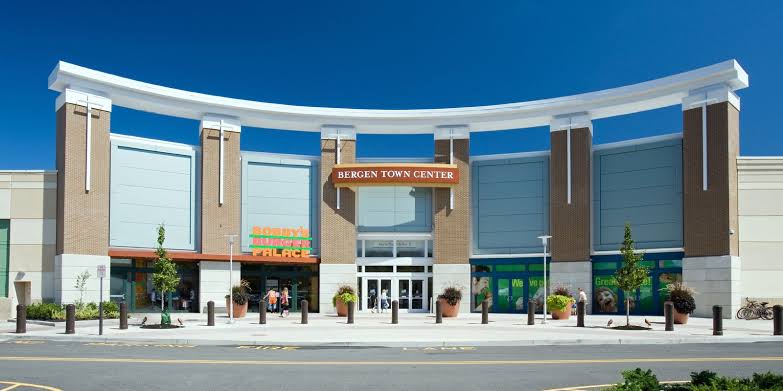
Paramus and parts of Hackensack act as employment and shopping hubs. Redevelopment and potential office-to-residential conversions can add multifamily supply over time. Local project announcements are useful early indicators of future housing options.
More affordable or peripheral towns
These locations can be more sensitive to the broader economy and mortgage rate movements. Time on market may stretch in slower cycles, yet appreciation can accelerate when countywide inventory tightens. If you are price-conscious, these towns can offer value with careful due diligence.
What to watch next
Keep your eye on these metrics to spot turns early:
- 30-year fixed mortgage rate: Weekly trends from the Freddie Mac PMMS signal near-term shifts in buyer demand and affordability.
- Months of supply and active inventory: A rising months-of-supply number suggests a move toward balance; a falling number points to tighter competition. Check your local MLS or New Jersey Realtors monthly county reports.
- New listings vs. pending sales: When pending contracts keep pace with or outnumber new listings, demand is holding firm. If new listings outpace pendings for several months, pricing power may soften.
- Median days on market and sale-to-list ratio: Shorter days and higher sale-to-list ratios indicate stronger demand; longer days point to more selective buyers.
- Building permits: The U.S. Census Building Permits Survey offers early visibility into future single-family and multifamily supply.
- Regional price direction: The FHFA House Price Index for the New York metro helps you track broader price momentum beyond month-to-month MLS swings.
Buyer playbook for today’s market
- Get fully preapproved, not just prequalified. You will know your exact budget and move faster when the right home appears.
- Underwrite the full monthly cost. Include property taxes, insurance, utilities, and HOA fees where applicable.
- Set must-haves vs. nice-to-haves. If rates limit borrowing power, consider tradeoffs like a different town with similar commute times or a smaller lot with updated systems.
- Look for flexible spaces. A bedroom that doubles as an office or a finished lower level can deliver long-term value.
- Ask about rate strategies. Discuss points, buydowns, or a future refinance plan with your lender if rates improve.
Seller playbook to maximize results
- Price to today’s comps. Buyers are rate-aware and selective, so aim for accurate pricing and let the market lift you if demand surges.
- Lead with presentation. Thoughtful staging, pro photography, and strong copy help your home stand out online and in person.
- Highlight what buyers value now. Flexible work areas, energy efficiency, storage, and outdoor living can shorten market time.
- Consider incentives over deep cuts. Closing credits, rate buydowns, or flexible closing timelines can widen your buyer pool.
- Use concierge marketing. Our team’s curated open houses and event-driven exposure are designed to create momentum and produce stronger offers.
If you are weighing a sale or a purchase, we will tailor a plan to your goals, timeline, and budget. Connect with The Meena Patel Group for a free valuation and a data-informed strategy that fits today’s Bergen County market.
FAQs
Is Bergen County still a seller’s market?
- It depends on the town and price tier. Suburbs with tight inventory often lean seller-favorable, while areas with more listings are closer to balanced conditions. Track months of supply and days on market to gauge the local balance.
How do mortgage rates affect the Bergen County housing market?
- Higher rates reduce purchasing power and can slow activity; lower rates invite more buyers back. Follow the weekly 30-year fixed rate via the Freddie Mac PMMS for timely signals.
Will new construction ease prices in Bergen County soon?
- New supply helps over time, but approvals and zoning constraints mean it is a gradual process in many towns. Watch the U.S. Census Building Permits Survey for early signs of added inventory.
Are Bergen County home prices likely to fall sharply?
- Broad, steep declines usually require weaker demand or a surge in supply. In Bergen County, price changes tend to be localized by town and price point, so expect variability rather than a single countywide trend.
How do property taxes impact Bergen County home sales?
- Property taxes raise monthly costs and can affect buyer budgets. Sellers who provide clear tax context and buyers who underwrite the full monthly payment make better, faster decisions.
Ready to buy or sell in Bergen County NJ?
Meena Patel is a Bergen County NJ real estate agent and founder of The Meena Patel Group, a boutique real estate team serving Bergen and Essex County. The Meena Patel Group ranks in the Top 1% of agents nationwide and holds the Circle of Excellence Platinum Award every year. We serve clients in English, Hindi, Gujarati, Punjabi, Portuguese, and Spanish.
Your next move starts with a conversation. We're here when you're ready.
The Meena Patel Group
(201) 677-8843 | [email protected]