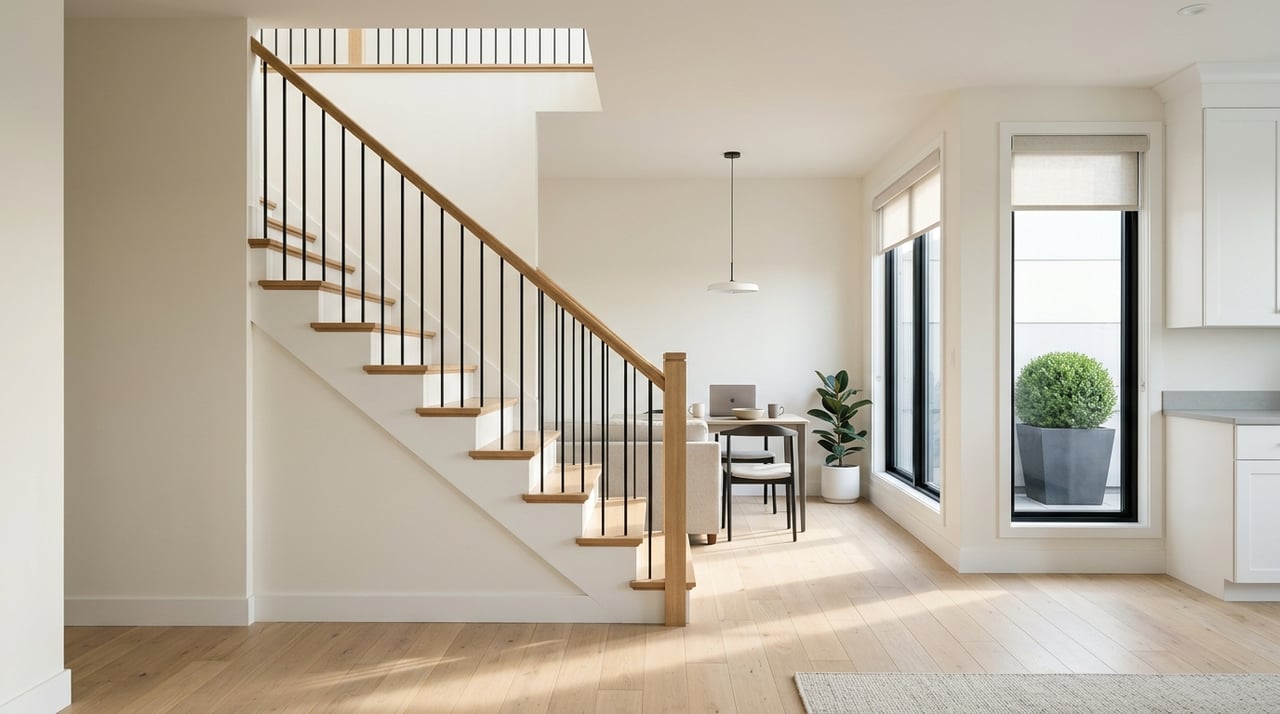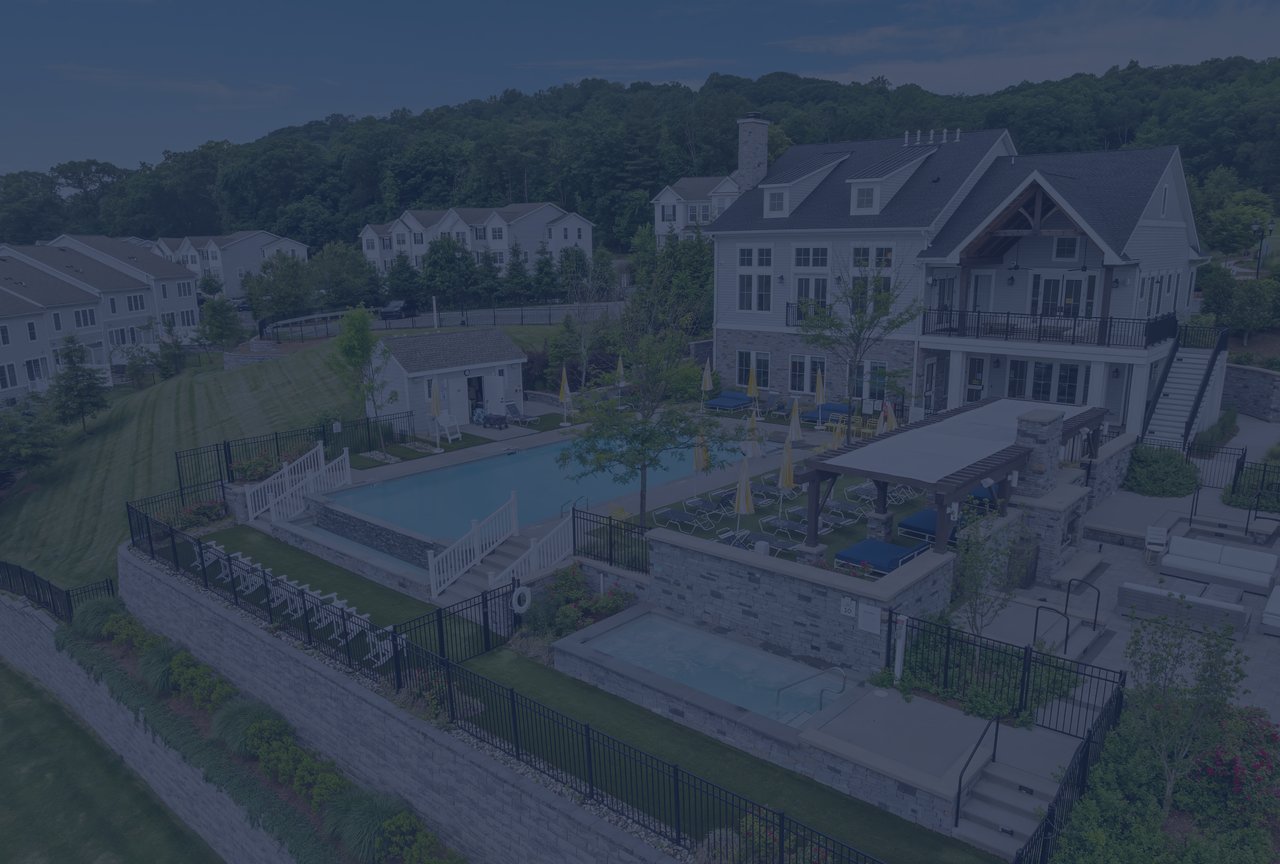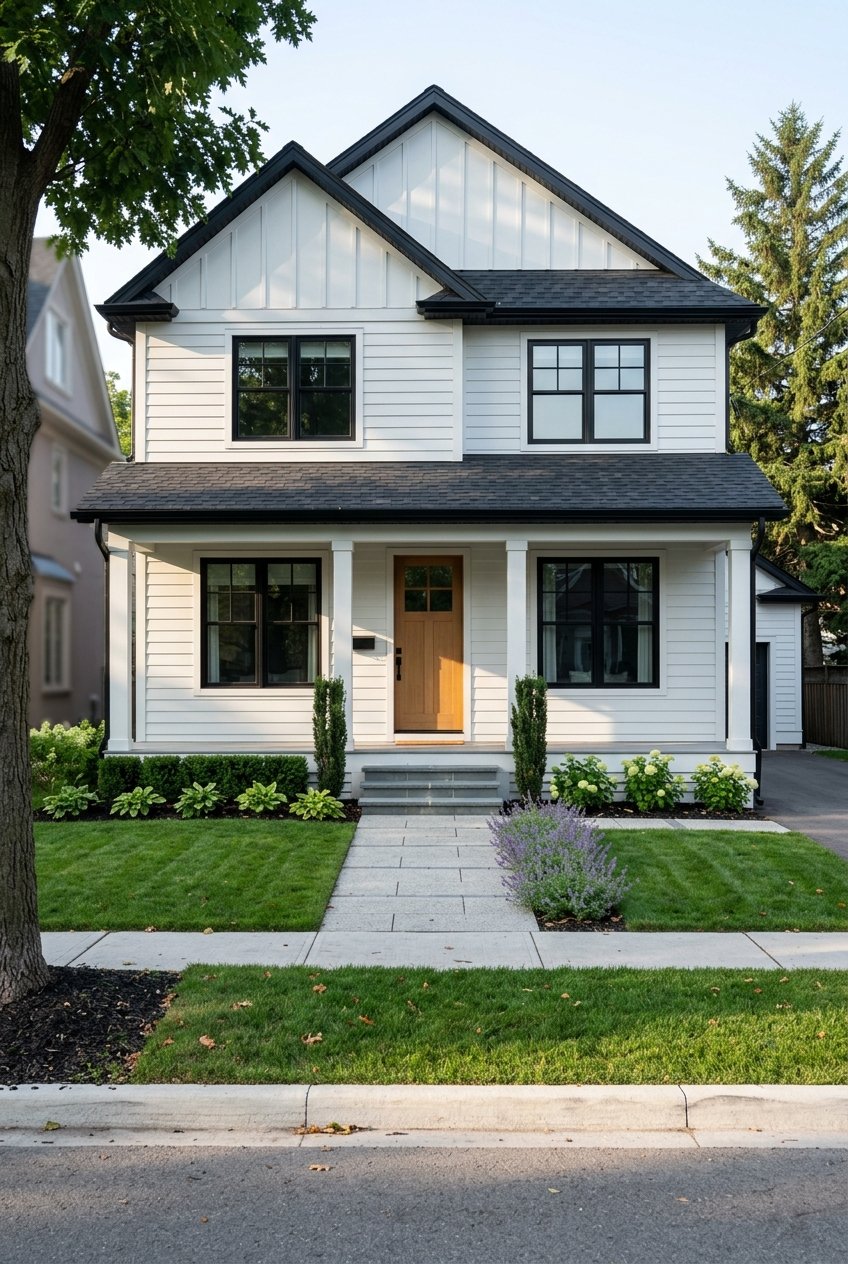
Thinking about trading condo convenience for a detached home in Morris County? It can be an exciting move, but it also changes your budget, your day-to-day responsibilities, and the kind of home search you need to run. If you want more space, more privacy, and more control over how you live, this guide will help you understand what that step up can really look like in Morris County. Let’s dive in.
Why many condo owners make this move
For many buyers, a condo or townhome is a smart starting point. It can offer a more predictable monthly cost structure, and some exterior responsibilities are often shared through community fees.
A single-family home can feel different right away. You may gain more indoor space, more separation from neighbors, and more flexibility with your yard, storage, and overall use of the property. That extra autonomy is a big reason many owners decide to make the jump.
In Morris County, the appeal is also practical. You can find detached homes in a wide range of settings, from older established towns with historic housing stock to later suburban neighborhoods with more mid-century and postwar layouts.
Morris County cost difference at a glance
Before you fall in love with extra square footage, it helps to understand the numbers. As of March 2026 year-to-date, the median sales price in Morris County was $715,000 for single-family homes and $455,000 for townhouse-condos.
That means the typical detached-home example starts about $260,000 higher than the typical townhouse-condo example, before you even factor in renovations, closing costs, or moving expenses. Inventory was also tight in both categories, at 1.4 months for single-family homes and 1.6 months for townhouse-condos.
What the mortgage payment change can look like
Using Freddie Mac’s 30-year fixed mortgage rate of 6.37% from May 7, 2026, a simple example with 20% down shows a principal-and-interest payment of about $3,567 per month on a $715,000 single-family home. On a $455,000 townhouse-condo, that same example works out to about $2,270 per month.
That is a difference of roughly $1,297 more per month before property taxes, insurance, HOA dues, utilities, and maintenance. In real life, your actual monthly cost can vary a lot based on down payment, loan terms, and the town you choose.
Property taxes matter in Morris County
One of the biggest budget shifts in New Jersey is often property taxes. Morris County’s 2024 average residential tax bill was $11,757, or about $980 per month.
That countywide average only tells part of the story. Municipal averages ranged from $7,877 in Dover to $23,006 in Mountain Lakes, which means your town choice can have a major impact on your monthly carrying cost.
What changes when you own a detached home
Moving from a condo or townhome to a single-family home is not just a square-footage upgrade. It is also a responsibility shift.
With condo-style living, some recurring costs may feel more predictable because shared-community expenses are often built into your monthly obligations. With a detached home, more of that responsibility usually moves directly to you.
Expenses you may handle more directly
When you buy a single-family home, your monthly and annual planning often needs to account for:
- Property taxes
- Homeowners insurance
- Mortgage insurance, if your down payment is under 20%
- Utilities
- Repairs and maintenance
- Exterior upkeep
- Yard care
- Roof and system replacements over time
This does not mean detached-home ownership is the wrong move. It simply means the financial picture is usually broader than comparing a mortgage payment to your current condo payment.
Why an emergency reserve becomes more important
Consumer guidance recommends keeping an emergency cushion of three to six months of expenses. That can be especially important when you move into a detached home, where larger repair items may become your direct responsibility.
If you are using proceeds from your condo sale to trade up, equity planning matters. You want enough cash for your down payment and closing costs, while still keeping a healthy reserve after closing.
Upfront cash to plan for
Your down payment is only one piece of the move. Closing costs are another important line item.
General consumer guidance puts closing costs at about 2% to 5% of the purchase price. On the Morris County median-price examples, that works out to roughly $14,300 to $35,750 for the single-family example and about $9,100 to $22,750 for the townhouse-condo example.
If you are moving up from a condo, a good planning framework includes:
- Expected sale proceeds from your current home
- Your down payment target
- Estimated closing costs on the new purchase
- Moving expenses
- Immediate repair or improvement budget
- A three-to-six-month emergency reserve
When buyers feel stretched, it is often not because of one big cost. It is because several medium-sized costs hit at once.
Home styles you may see in Morris County
One of the most interesting parts of moving into a detached home in Morris County is the variety. The county documents a deep built heritage, with more than 140 historic-marker sites and preservation funding invested in 129 historic sites across 35 municipalities since 2002.
That history shows up in the housing stock. Depending on the town and neighborhood, your search may include homes influenced by Federal, Georgian Four-Square, Italianate Villa, Colonial Revival, Spanish Colonial Revival, and Arts and Crafts or Craftsman design.
Older towns and established neighborhoods
In older parts of the county, you may come across detached homes with traditional architecture and older construction details. The county’s historic and preservation resources also point to the presence of catalog homes in styles such as Colonial, Craftsman, and Tudor Revival.
For you as a buyer, that can mean more charm, more architectural variety, and sometimes more maintenance questions. Older homes can have character that is hard to duplicate, but they may also need a closer look at condition, systems, and future upkeep.
Later suburban neighborhoods
In later suburban areas, detached-home options may more commonly include Cape Cods, ranches, and split-levels. These layouts are often associated with postwar suburban development and can appeal to buyers who want practical floor plans and established residential settings.
This variety is one reason Morris County can work well for condo owners trading up. You are not limited to one type of detached home experience.
Commute and lifestyle fit still matter
A bigger home only feels like an upgrade if it still supports your daily routine. If you work in Newark, New York City, or nearby job centers, commute planning should stay high on your list.
Morris County residents have access to several transit options. NJ Transit says the Morris & Essex Lines provide service between Dover, Summit, and Gladstone and Newark Broad Street Station, Hoboken, and New York.
The county also notes service through the Morris & Essex Lines, Montclair-Boonton Line, and Gladstone Branch, along with Lakeland Bus Lines service to the Port Authority Bus Terminal in New York. For longer-distance rail travel, the county identifies Newark-Penn Station, New York-Penn Station, and Metropark Station as the nearest Amtrak stations.
Questions to ask before you choose a town
As you narrow your search, it helps to ask practical questions like:
- How often will you commute each week?
- Do you want rail access, bus access, or a shorter drive to a station?
- How much yard and exterior upkeep feels manageable?
- Do you prefer older housing character or more standardized suburban layouts?
- How much monthly payment flexibility do you want after taxes and maintenance?
These questions can keep your home search grounded in your real life, not just the listing photos.
A smart way to prepare for the move
The best move-up buyers usually prepare in two stages. First, they get clear on their current condo value and likely sale proceeds. Then they build a realistic target budget for the detached home they want.
That second step should include more than purchase price. It should account for taxes, insurance, utilities, maintenance, and the cash you want left over after closing.
Your move-up checklist
If you are planning this transition, start here:
- Estimate your condo’s likely sale price.
- Calculate how much equity you may be able to use.
- Compare single-family price points across Morris County towns.
- Review the property-tax impact by municipality.
- Budget for closing costs and post-closing reserves.
- Decide which home styles and maintenance levels fit your lifestyle.
- Factor in commute routes before choosing where to focus.
A move from condo living to single-family living can absolutely be worth it. The key is making the move with a full picture of both the opportunities and the costs.
If you are weighing that next step in Morris County, The Meena Patel Group can help you understand your condo’s value, your move-up options, and the local market details that matter most.
FAQs
What is the median price gap between condos and single-family homes in Morris County?
- As of March 2026 year-to-date, the median sales price was $455,000 for townhouse-condos and $715,000 for single-family homes, a difference of about $260,000.
How much more could a monthly mortgage payment be for a Morris County single-family home?
- Using a simple 20% down example and Freddie Mac’s 6.37% 30-year fixed rate from May 7, 2026, the principal-and-interest payment is about $1,297 more per month on the single-family median-price example than on the townhouse-condo example, before taxes, insurance, HOA dues, and maintenance.
How do Morris County property taxes affect a move from condo living to a detached home?
- Morris County’s 2024 average residential tax bill was $11,757, or about $980 per month, and municipal averages varied widely, so taxes can significantly change your total monthly housing cost.
What upfront cash should you plan for when buying a single-family home in Morris County?
- In addition to your down payment, you should plan for closing costs, moving expenses, possible immediate repairs, and an emergency reserve. General consumer guidance estimates closing costs at about 2% to 5% of the purchase price.
What kinds of single-family home styles can buyers expect in Morris County?
- Buyers may see a mix of older historic styles such as Federal, Colonial, Craftsman, and Tudor Revival, along with later suburban housing types like Cape Cods, ranches, and split-levels.
What transit options help Morris County buyers commute to Newark or New York City?
- Morris County residents can use NJ Transit rail service on the Morris & Essex Lines, Montclair-Boonton Line, and Gladstone Branch, plus Lakeland Bus Lines service to New York’s Port Authority Bus Terminal.